Wednesday, December 2, 2009

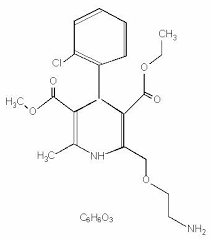
amlodipine


GENERIC NAME: amlodipine

BRAND NAME: Norvasc


DRUG CLASS AND MECHANISM: Amlodipine belongs to a class of medications called calcium channel blockers. These medications block the transport of calcium into the smooth muscle cells lining the coronary arteries and other arteries of the body. Since calcium is important in muscle contraction, blocking calcium transport relaxes artery muscles and dilates coronary arteries and other arteries of the body. By relaxing coronary arteries, amlodipine is useful in preventing chest pain (angina) resulting from coronary artery spasm. Relaxing the muscles lining the arteries of the rest of the body lowers the blood pressure, which reduces the burden on the heart as it pumps blood to the body. Reducing heart burden lessens the heart muscle's demand for oxygen, and further helps to prevent angina in patients with coronary artery disease. For more detailed information related to coronary artery disease, please read the Chest Pain, Cholesterol, and Heart Attack articles.

PRESCRIPTION: yes

GENERIC AVAILABLE: no

PREPARATIONS: Tablets ( 2.5mg, 5mg, 10mg.)

STORAGE: Amlodipine should be stored at room temperature in a tight, light resistant container.

PRESCRIBED FOR: Chest pain (angina) occurs because of insufficient oxygen delivered to the heart muscles. Insufficient oxygen may be a result of coronary artery blockage or spasm, or because of physical exertion which increases heart oxygen demand in a patient with coronary artery narrowing. Amlodipine is used for the treatment and prevention of angina resulting from coronary spasm as well as from exertion. Amlodipine is also used in the treatment of high blood pressure.

DOSING: Amlodipine can be taken with or without food. Amlodipine is metabolized mainly by the liver and dosages may need to be lowered in patients with liver dysfunction.

DRUG INTERACTIONS: In patients with severe coronary artery disease, amlodipine can increase the frequency and severity of angina or actually cause a heart attack on rare occasions. This phenomenon usually occurs when first starting amlodipine, or at the time of dosage increase. Excessive lowering of blood pressure during initiation of amlodipine treatment can occur, especially in patients already taking another blood pressure lowering medication. In rare instances, congestive heart failure has been associated with amlodipine, usually in patients already on a beta blocker. For further information on beta blockers, please read the propranolol (Inderal) article.

PREGNANCY: Generally, amlodipine is avoided in pregnancy, and by nursing mothers and children.

NURSING MOTHERS: Generally, amlodipine is avoided in pregnancy, and by nursing mothers and children.

SIDE EFFECTS: Side effects of amlodipine are generally mild and reversible. The two most common side effects are headache and edema (swelling) of the lower extremities. Less common side effects include dizziness, flushing, fatigue, nausea, and palpitations.

Reference: FDA Prescribing Information

Tuesday, December 1, 2009

atenolol


GENERIC NAME: atenolol

BRAND NAME: Tenormin

DRUG CLASS AND MECHANISM: Atenolol is a beta-adrenergic blocking agent that blocks the effects of adrenergic drugs, for example, adrenaline or epinephrine, on nerves of the sympathetic nervous system. One of the important functions of beta-adrenergic stimulation is to stimulate the heart to beat more rapidly. By blocking the stimulation of these nerves, atenolol reduces the heart rate and is useful in treating abnormally rapid heart rhythms. Atenolol also reduces the force of contraction of heart muscle and lowers blood pressure. By reducing the heart rate, the force of muscle contraction, and the blood pressure against which the heart must pump, atenolol reduces the work of heart muscle and the need of the muscle for oxygen. Since angina occurs when oxygen demand of the heart muscle exceeds the supply, atenolol is helpful in treating angina. Atenolol was approved by the FDA in August 1981.

PRESCRIPTION: Yes

GENERIC AVAILABLE: Yes

PREPARATIONS: Tablets: 25, 50, 100 mg. Injection: 5 mg/10 ml

STORAGE: Store at room temperature 20°to 25°C (68° to 77°F).

PRESCRIBED FOR: Atenolol is prescribed for patients with high blood pressure (hypertension). It is also used to treat chest pain (angina pectoris) related to coronary artery disease. Atenolol also is useful in slowing and regulating certain types of abnormally rapid heart rates (tachycardias). It is also prescribed for acute myocardial infarction (heart attack). Other uses for atenolol include the prevention of migraine headaches and the treatment of certain types of tremors (familial or hereditary essential tremors).

DOSING: Atenolol should be taken before meals or at bedtime.

The dose for treating high blood pressure or angina is 50-100 mg once daily.

Acute myocardial infarction (heart attack) is treated with two 5 mg injections administered 10 minutes apart followed by treatment with 100 mg oral atenolol for 6-9 days. If atenolol injections are not advisable, patients may be treated with 100 mg daily of oral atenolol for 7 days.

DRUG INTERACTIONS: Calcium channel blockers and digoxin (Lanoxin) can cause lowering of blood pressure and heart rate to dangerous levels when administered together with atenolol. Atenolol can mask the early warning symptoms of low blood sugar (hypoglycemia), and should be used with caution in patients receiving treatment for diabetes.

PREGNANCY: Atenolol may cause harm and growth retardation in the fetus when given to pregnant women.

NURSING MOTHERS: Atenolol is excreted in breast milk and my cause adverse effects in the breastfed infant.

SIDE EFFECTS: Atenolol is generally well tolerated, and side effects are mild and transient. Rare side effects include abdominal cramps, diarrhea, constipation, fatigue, insomnia, nausea, depression, dreaming, memory loss, fever, impotence, lightheadedness, slow heart rate, low blood pressure, numbness, tingling, cold extremities, and sore throat.

Atenolol can aggravate breathing difficulties in patients with asthma, chronic bronchitis, or emphysema. In patients with existing slow heart rates (bradycardias) and heart blocks (defects in the electrical conduction of the heart), atenolol can cause dangerously slow heart rates, and even shock. Atenolol reduces the force of heart muscle contraction and can aggravate symptoms of heart failure.

In patients with coronary artery disease, abruptly stopping atenolol can suddenly worsen angina, and occasionally precipitate heart attacks. If it is necessary to discontinue atenolol, its dosage can be reduced gradually over several weeks.

Reference: FDA Prescribing Information

Coronary Artery Bypass Graft Surgery (CABG)

What is coronary artery bypass graft (CABG) surgery?

According to the American Heart Association 427,000 coronary artery bypass graft (CABG) surgeries were performed in the United States in 2004, making it one of the most commonly performed major operations. CABG surgery is advised for selected groups of patients with significant narrowings and blockages of the heart arteries (coronary artery disease). CABG surgery creates new routes around narrowed and blocked arteries, allowing sufficient blood flow to deliver oxygen and nutrients to the heart muscle.

How does coronary artery disease develop?

Coronary artery disease (CAD) occurs when atherosclerotic plaque (hardening of the arteries) builds up in the wall of the arteries that supply the heart. This plaque is primarily made of cholesterol. Plaque accumulation can be accelerated by smoking, high blood pressure, elevated cholesterol, and diabetes. Patients are also at higher risk for plaque development if they are older (greater than 45 years for men and 55 years for women), or if they have a positive family history for early heart artery disease.

The atherosclerotic process causes significant narrowing in one or more coronary arteries. When coronary arteries narrow more than 50 to 70%, the blood supply beyond the plaque becomes inadequate to meet the increased oxygen demand during exercise. The heart muscle in the territory of these arteries becomes starved of oxygen (ischemic). Patients often experience chest pain (angina) when the blood oxygen supply cannot keep up with demand. Up to 25% of patients experience no chest pain at all despite documented lack of adequate blood and oxygen supply. These patients have "silent" angina, and have the same risk of heart attack as those with angina.

When a blood clot (thrombus) forms on top of this plaque, the artery becomes completely blocked causing a heart attack.

Heart Attack illustration - Coronary Artery Bypass Graft Surgery

When arteries are narrowed in excess of 90 to 99%, patients often have accelerated angina or angina at rest (unstable angina). Unstable angina can also occur due to intermittent blockage of an artery by a thrombus that eventually is dissolved by the body's own protective clot-dissolving system.

How is coronary artery disease diagnosed?

The resting electrocardiogram (EKG) is a recording of the electrical activity of the heart, and can demonstrate signs of oxygen starvation of the heart (ischemia) or heart attack. Often, the resting EKG is normal in patients with coronary artery disease and angina. Exercise treadmill tests are useful screening tests for patients with a moderate likelihood of significant coronary artery disease (CAD) and a normal resting EKG. These stress tests are about 60 to 70% accurate in diagnosing significant CAD.

If the stress tests do not reveal the diagnosis, greater accuracy can be achieved by adding a nuclear agent (thallium or Cardiolite) intravenously during stress tests. Addition of thallium allows nuclear imaging of the blood flow to different regions of the heart, using an external camera. An area of the heart with reduced blood flow during exercise, but normal blood flow at rest, signifies significant artery narrowing in that region.

Combining echocardiography (ultrasound imaging of the heart muscle) with exercise stress testing (stress echocardiography) is also a very accurate technique to detect CAD. When a significant blockage exists, the heart muscle supplied by this artery does not contract as well as the rest of the heart muscle. Stress echocardiography and thallium stress tests are both at least 80% to 85% accurate in detecting significant coronary artery disease.

When a patient cannot undergo exercise stress test because of nervous system or joint problems, medications can be injected intravenously to simulate the stress on the heart due to exercise and imaging can be performed with a nuclear camera or ultrasound.

Cardiac catheterization with angiography (coronary arteriography) is the most accurate test to detect coronary artery narrowing. Small hollow plastic tubes (catheters) are advanced under x-ray guidance to the openings of the two main heart arteries (left and right). Iodine contrast, "dye," is then injected into the arteries while an x-ray video is recorded. Sometimes, an exercise study is then done to determine whether a moderate narrowing (40 - 60%) is actually causing ischemia and, therefore, requires treatment.

A newer modality, high speed CT scanning angiography has recently become available. This procedure uses powerful x-ray methods to visualize the arteries to the heart. Its role in the evaluation of CAD is currently being evaluated.

How is coronary artery disease (CAD) treated?

Medicines used to treat angina reduce the heart muscle demand for oxygen in order to compensate for the reduced blood supply. Three commonly used classes of drugs are the nitrates, beta blockers and calcium blockers. Nitroglycerin (Nitro-Bid) is an example of a nitrate. Examples of beta blockers include propranolol (Inderal) and atenolol (Tenormin). Examples of calcium blockers include nicardipine (Cardene) and nifedipine (Procardia, Adalat). Unstable angina is also treated with aspirin and the intravenous blood thinner heparin. Aspirin prevents clumping of platelets, while heparin prevents blood clotting on the surface of plaques in a critically narrowed artery. When patients continue to have angina despite maximum medications, or when significant ischemia still occurs with exercise testing, coronary arteriography is usually indicated. Data collected during coronary arteriography help doctors decide whether the patient should be considered for percutaneous coronary intervention, or percutaneous transluminal angioplasty (PTCA), whereby a small balloon is used to inflate the blockage. Angioplasty (PTCA) is usually followed by placement of a stent or coronary artery bypass graft surgery (CABG) to increase coronary artery blood flow.

Angioplasty can produce excellent results in carefully selected patients. Under x-ray guidance, a wire is advanced from the groin to the coronary artery. A small catheter with a balloon at the end is threaded over the wire to reach the narrowed segment. The balloon is then inflated to push the artery open, and a steel mesh stent is generally inserted.

CABG surgery is performed to relieve angina in patients who have failed medical therapy and are not good candidates for angioplasty (PTCA). CABG surgery is ideal for patients with multiple narrowings in multiple coronary artery branches, such as is often seen in patients with diabetes. CABG surgery has been shown to improve long-term survival in patients with significant narrowing of the left main coronary artery, and in patients with significant narrowing of multiple arteries, especially in those with decreased heart muscle pump function.

How is CABG surgery done?

The cardiac surgeon makes an incision down the middle of the chest and then saws through the breastbone (sternum). This procedure is called a median (middle) sternotomy (cutting of the sternum). The heart is cooled with iced salt water, while a preservative solution is injected into the heart arteries. This process minimizes damage caused by reduced blood flow during surgery and is referred to as "cardioplegia." Before bypass surgery can take place, a cardiopulmonary bypass must be established. Plastic tubes are placed in the right atrium to channel venous blood out of the body for passage through a plastic sheeting (membrane oxygenator) in the heart lung machine. The oxygenated blood is then returned to the body. The main aorta is clamped off (cross clamped) during CABG surgery to maintain a bloodless field and to allow bypasses to be connected to the aorta.

Coronary Artery Bypass illustration

The most commonly used vessel for the bypass is the saphenous vein from the leg. Bypass grafting involves sewing the graft vessels to the coronary arteries beyond the narrowing or blockage. The other end of this vein is attached to the aorta. Chest wall arteries, particularly the left internal mammary artery, have been increasingly used as bypass grafts. This artery is separated from the chest wall and usually connected to the left anterior descending artery and/or one of its major branches beyond the blockage. The major advantage of using internal mammary arteries is that they tend to remain open longer than venous grafts. Ten years after CABG surgery, only 66% of vein grafts are open compared to 90% of internal mammary arteries. However, artery grafts are of limited length, and can only be used to bypass diseases located near the beginning (proximal) of the coronary arteries. Using internal mammary arteries may prolong CABG surgery because of the extra time needed to separate them from the chest wall. Therefore, internal mammary arteries may not be used for emergency CABG surgery when time is critical to restore coronary artery blood flow.

CABG surgery takes about four hours to complete. The aorta is clamped off for about 60 minutes and the body is supported by cardiopulmonary bypass for about 90 minutes. The use of 3 (triple), 4 (quadruple), or 5 (quintuple) bypasses are now routine. At the end of surgery, the sternum is wired together with stainless steel and the chest incision is sewn closed. Plastic tubes (chest tubes) are left in place to allow drainage of any remaining blood from the space around the heart (mediastinum). About 5% of patients require exploration within the first 24 hours because of continued bleeding after surgery. Chest tubes are usually removed the day after surgery. The breathing tube is usually removed shortly after surgery. Patients usually get out of bed and are transferred out of intensive care the day after surgery. Up to 25% of patients develop heart rhythm disturbances within the first three or four days after CABG surgery. These rhythm disturbances are usually temporary atrial fibrillation, and are felt to be related to surgical trauma to the heart. Most of these arrhythmias respond to standard medical therapy that can be weaned one month after surgery. The average length of stay in the hospital for CABG surgery has been reduced from as long as a week to only three to four days in most patients. Many young patients can even be discharged home after two days.

A new advance for many patients is the ability to do CABG with out going on cardiopulmonary bypass ("off pump"), with the heart still beating. This significantly minimizes the occasional memory defects and other complications that may be seen after CABG, and is a significant advance.

How do patients recover after CABG surgery?

Sutures are removed from the chest prior to discharge and from the leg (if the saphenous vein is used) after 7 to 10 days. Even though smaller leg veins will take over the role of the saphenous vein, a certain degree of swelling (edema) in the affected ankle is common. Patients are advised to wear elastic support stockings during the day for the first four to six weeks after surgery and to keep their leg elevated when sitting. This swelling usually resolves after about six to eight weeks. Healing of the breastbone takes about six weeks and is the primary limitation in recovering from CABG surgery. Patients are advised not to lift anything more than 10 pounds or perform heavy exertion during this healing period. They are also advised not to drive for the first four weeks to avoid any injury to the chest. Patients can return to normal sexual activity as long as they minimize positions that put significant weight on the chest or upper arms. Return to work usually occurs after the six week recovery, but may be much sooner for non-strenuous employment.

Exercise stress testing is routinely done four to six weeks after CABG surgery and signals the beginning of a cardiac rehabilitation program. Rehabilitation consists of a 12 week program of gradually increasing monitored exercise lasting one hour three times a week. Patients are also counseled about the importance of lifestyle changes to lower their chance of developing further CAD. These include stopping smoking, reducing weight and dietary fat, controlling blood pressure and diabetes, and lowering blood cholesterol levels.

What are the risks and complications of CABG surgery?

Overall mortality related to CABG is 3-4%. During and shortly after CABG surgery, heart attacks occur in 5 to 10% of patients and are the main cause of death. About 5% of patients require exploration because of bleeding. This second surgery increases the risk of chest infection and lung complications. Stroke occurs in 1-2%, primarily in elderly patients. Mortality and complications increase with:

  • age (older than 70 years),
  • poor heart muscle function,
  • disease obstructing the left main coronary artery,
  • diabetes,
  • chronic lung disease, and

Mortality may be higher in women, primarily due to their advanced age at the time of CABG surgery and smaller coronary arteries. Women develop coronary artery disease about 10 years later than men because of hormonal "protection" while they still regularly menstruate (although in women with risk factors for coronary artery disease, especially smoking, elevated lipids, and diabetes, the possibility for the development of coronary artery disease at a young age is very real). Women are generally of smaller stature than men, with smaller coronary arteries. These small arteries make CABG surgery technically more difficult and prolonged. The smaller vessels also decrease both short and long-term graft function.

What are the long-term results after CABG surgery?

A very small percentage of vein grafts may become blocked within the first two weeks after CABG surgery due to blood clotting. Blood clots form in the grafts usually because of small arteries beyond the insertion site of the graft causing sluggish blood run off. Another 10% of vein grafts close off between two weeks and one year after CABG surgery. Use of aspirin to thin the blood has been shown to reduce these later closings by 50%. Grafts become narrowed after the first five years as cells stick to the inner lining and multiply, causing formation of scar tissue (intimal fibrosis) and actual atherosclerosis. After 10 years, only 2/3 of vein grafts are open and 1/2 of these have at least moderate narrowings. Internal mammary grafts have a much higher (90%) 10 year rate of remaining open. This difference in longevity has caused a shift in surgical practices toward greater use of internal mammary and other arteries as opposed to veins for bypasses.

Recent data has shown that in CABG patients with elevated LDL cholesterol (bad cholesterol) levels, use of cholesterol-lowering medications (particularly the statin family of drugs) to lower LDL levels to below 80 will significantly improve long-term graft patency as well as improve survival benefit and heart attack risk. Patients are also advised about the importance of lifestyle changes to lower their chance of developing further atherosclerosis in their coronary arteries. These include stopping smoking, exercise, reducing weight and dietary fat, as well as controlling blood pressure and diabetes. Frequent monitoring of CABG patients with physiologic testing can identify early problems in grafts. PTCA (angioplasty) with stenting, in addition to aggressive risk factor modification, may significantly limit the need for repeat CABG years later. Repeat CABG surgery is occasionally necessary, but may have a higher risk of complication.

How do CABG surgery and angioplasty (PTCA) compare?

Ongoing studies are comparing the treatment results of angioplasty (PTCA) versus bypass (CABG surgery) in patients who are candidates for either procedure. Both procedures are very effective in reducing angina symptoms, preventing heart attacks, and reducing death. Many studies have either shown similar benefits or slight advantage to CABG (primarily in severe diabetics), although current studies are evaluating the two procedures utilizing the most current improved techniques (for example, newer "medicated" stents and the off-pump CABG); this data is still being collected. The best choice for an individual patient is best made by their cardiologist, surgeon, and primary doctor.

Coronary Artery Bypass Graft At A Glance
  • Coronary artery disease develops because of hardening of the arteries (arteriosclerosis) that supply blood to the heart muscle.
  • In the diagnosis of coronary artery disease, helpful tests include EKG, stress test, echocardiography, and coronary angiography.
  • Coronary artery bypass graft (CABG) surgery reestablishes sufficient blood flow to deliver oxygen and nutrients to the heart muscle.
  • The bypass graft for a CABG can be a vein from the leg or an inner chest wall artery.

Thursday, November 12, 2009

Congenital Heart Defects

What are congenital heart defects?

Congenital (kon-JEN-i-tal) heart defects are problems with the heart's structure that are present at birth. These defects can involve the interior walls of the heart, valves inside the heart, or the arteries and veins that carry blood to the heart or out to the body. Congenital heart defects change the normal flow of blood through the heart.

There are many different types of congenital heart defects. They range from simple defects with no symptoms to complex defects with severe, life-threatening symptoms.

Congenital heart defects are the most common type of birth defect, affecting 8 of every 1,000 newborns. Each year, more than 35,000 babies in the United States are born with congenital heart defects. Most of these defects are simple conditions that are easily fixed or need no treatment.

A small number of babies are born with complex congenital heart defects that need special medical attention soon after birth. Over the past few decades, the diagnosis and treatment of these complex defects has greatly improved.

As a result, almost all children with complex heart defects grow to adulthood and can live active, productive lives because their heart defects have been effectively treated.

Most people with complex heart defects continue to need special heart care throughout their lives. They may need to pay special attention to certain issues that their condition could affect, such as health insurance, employment, pregnancy and contraception, and preventing infection during routine health procedures. Today in the United States, about 1 million adults are living with congenital heart defects.

How the heart works

To understand congenital heart defects, it's helpful to know how the normal heart works.

Your child's heart is a muscle about the size of his or her fist. It works like a pump and beats 100,000 times a day.

The heart has two sides, separated by an inner wall called the septum. The right side of the heart pumps blood to the lungs to pick up oxygen. Then, oxygen-rich blood returns from the lungs to the left side of the heart, and the left side pumps it to the body.

The heart has four chambers and four valves and is connected to various blood vessels. Veins are the blood vessels that carry blood from the body to the heart. Arteries are the blood vessels that carry blood away from the heart to the body.

The illustration shows a cross-section of a healthy heart and its inside structures. The blue arrow shows the direction in which oxygen-poor blood flows from the body to the lungs. The red arrow shows the direction in which oxygen-rich blood flows from the lungs to the rest of the body.


Heart Chambers

The heart has four chambers or "rooms."

  • The atria (AY-tree-uh) are the two upper chambers that collect blood as it comes into the heart.

  • The ventricles (VEN-trih-kuls) are the two lower chambers that pump blood out of the heart to the lungs or other parts of the body.

Heart Valves

Four valves control the flow of blood from the atria to the ventricles and from the ventricles into the two large arteries connected to the heart.

  • The tricuspid (tri-CUSS-pid) valve is in the right side of the heart, between the right atrium and the right ventricle.

  • The pulmonary (PULL-mun-ary) valve is in the right side of the heart, between the right ventricle and the entrance to the pulmonary artery, which carries blood to the lungs.

  • The mitral (MI-trul) valve is in the left side of the heart, between the left atrium and the left ventricle.

  • The aortic (ay-OR-tik) valve is in the left side of the heart, between the left ventricle and the entrance to the aorta, the artery that carries blood to the body.

Valves are like doors that open and close. They open to allow blood to flow through to the next chamber or to one of the arteries, and then they shut to keep blood from flowing backward.

When the heart's valves open and close, they make a "lub-DUB" sound that a doctor can hear using a stethoscope.

  • The first sound - the "lub" - is made by the mitral and tricuspid valves closing at the beginning of systole (SIS-toe-lee). Systole is when the ventricles contract, or squeeze, and pump blood out of the heart.

  • The second sound - the "DUB" - is made by the aortic and pulmonary valves closing at beginning of diastole (di-AS-toe-lee). Diastole is when the ventricles relax and fill with blood pumped into them by the atria.

Arteries

The arteries are major blood vessels connected to your heart.

  • The pulmonary artery carries blood pumped from the right side of the heart to the lungs to pick up a fresh supply of oxygen.

  • The aorta is the main artery that carries oxygen-rich blood pumped from the left side of the heart out to the body.

  • The coronary arteries are the other important arteries attached to the heart. They carry oxygen-rich blood from the aorta to the heart muscle, which must have its own blood supply to function.

Veins

The veins are also major blood vessels connected to your heart.

  • The pulmonary veins carry oxygen-rich blood from the lungs to the left side of the heart so it can be pumped out to the body.

  • The vena cava is a large vein that carries oxygen-poor blood from the body back to the heart.

What are the types of congenital heart defects?

Congenital heart defects change the normal flow of blood through the heart because some part of the heart didn't develop properly before birth.

There are many types of congenital heart defects. They include simple ones such as a hole in the interior walls of the heart that allows blood from the left and right sides of the heart to mix, or a narrowed valve that blocks the flow of blood to the lungs or other parts of the body.

Other defects are more complex. These include combinations of simple defects, problems with where the blood vessels leading to and from the heart are located, and more serious abnormalities in how the heart develops.

Examples of Simple Congenital Heart Defects

Holes in the Heart (Septal Defects)

The septum is the wall that separates the chambers on the left side of the heart from those on the right. It prevents mixing of blood between the two sides of the heart. Sometimes, a baby is born with a hole in the septum. When that occurs, blood can mix between the two sides of the heart.

Atrial septal defect (ASD). An ASD is a hole in the part of the septum that separates the atria - the upper chambers of the heart. This heart defect allows oxygen-rich blood from the left atrium to flow into the right atrium instead of flowing to the left ventricle as it should. Many children who have ASDs have few, if any, symptoms.

Normal Heart and Heart With Atrial Septal Defect
Picture of Atrial Septal Defect

Figure A shows the normal structure and blood flow in the interior of the heart. Figure B shows a heart with an atrial septal defect, which allows oxygen-rich blood from the left atrium to mix with oxygen-poor blood from the right atrium.

An ASD can be small or large. Small ASDs allow only a little blood to leak from one atrium to the other. Very small ASDs don't affect the way the heart works and therefore don't need any special treatment. Many small ASDs close on their own as the heart grows during childhood. Medium to large ASDs allow more blood to leak from one atrium to the other, and they're less likely to close on their own.

Half of all ASDs close on their own or are so small that no treatment is needed. Medium to large ASDs that need treatment can usually be repaired using a catheter procedure. (See "How Are Congenital Heart Defects Treated?")

Ventricular septal defect (VSD). A VSD is a hole in the part of the septum that separates the ventricles - the lower chambers of the heart. The hole allows oxygen rich blood to flow from the left ventricle into the right ventricle instead of flowing into the aorta and out to the body as it should.

Normal Heart and Heart With Ventricular Septal Defect
Picture of Ventricular Septal Defect

Figure A shows the normal structure and blood flow in the interior of the heart. Figure B shows two common locations for a ventricular septal defect. The defect allows oxygen-rich blood from the left ventricle to mix with oxygen-poor blood in the right ventricle.

A VSD can be small or large. A small VSD doesn't cause problems and may often close on its own. Large VSDs cause the left side of the heart to work too hard and increase blood pressure in the right side of the heart and the lungs because of the extra blood flow. The increased work of the heart can cause heart failure and poor growth. If the hole isn't closed, the high blood pressure in the lungs can cause the delicate arteries in the lungs to scar, a condition called pulmonary arterial hypertension. Open-heart surgery is used to repair VSDs.

Narrowed Valves

Simple congenital heart defects also can involve the heart's valves, which control the flow of blood from the atria to the ventricles and from the ventricles into the two large arteries connected to the heart (the aorta and the pulmonary artery). Valves can have the following types of defects:

  • Stenosis. This is when the valve doesn't open completely, and the heart has to work harder to pump the blood through the valve.

  • Atresia. This is when the valve doesn't form correctly, so there is no opening for blood to pass through.

  • Regurgitation (re-GUR-ji-TA-shun). This is when the valve doesn't close completely, so blood leaks back through the valve.

The most common valve defect is called pulmonary valve stenosis, which is a narrowing of the pulmonary valve. This valve allows blood to flow from the right ventricle into the pulmonary arteries and out to the lungs to pick up oxygen.

Pulmonary valve stenosis can range from mild to severe. Most children with this defect have no signs or symptoms other than a heart murmur. Treatment isn't needed if the stenosis is mild.

In a baby with severe pulmonary valve stenosis, the right ventricle can get very overworked trying to pump blood to the pulmonary arteries. Oxygen-poor blood can back up from the right side of the heart into the left side, causing cyanosis. Cyanosis is a bluish tint to the skin, lips, and fingernails. It occurs because the oxygen level in the blood leaving the heart is below normal.

Older children with severe pulmonary valve stenosis may have symptoms such as fatigue (tiredness) when exercising. Severe pulmonary valve stenosis is treated with a catheter procedure.

Example of a Complex Congenital Heart Defect

Complex congenital heart defects need to be repaired with surgery. Because of advances in diagnosis and treatment, doctors can now successfully repair even very complex congenital heart defects.

The most common complex heart defect is tetralogy of Fallot (teh-TRALL-o-gee of fall-O), a combination of four defects:

  • Pulmonary valve stenosis.

  • A large VSD.

  • An overriding aorta. The aorta sits above both the left and right ventricles over the VSD, rather than just over the left ventricle. As a result, oxygen poor blood from the right ventricle can flow directly into the aorta instead of into the pulmonary artery to the lungs.

  • Right ventricular hypertrophy. The muscle of the right ventricle is thicker than usual because of having to work harder than normal.

These defects prevent enough blood from flowing to the lungs to get oxygen, while oxygen-poor blood flows directly out to the body.

Normal Heart and Heart With Tetralogy of Fallot
Picture of Tetrology Fallot Heart Defect

Figure A shows the normal structure and blood flow in the interior of the heart. Figure B shows a heart with the four defects of tetralogy of Fallot.

Babies and children with tetralogy of Fallot have episodes of cyanosis, which can sometimes be severe. In the past, when this condition wasn't treated in infancy, older children would get very tired during exercise and could have fainting spells. Tetralogy of Fallot is now repaired in infancy to prevent these types of symptoms.

Tetralogy of Fallot must be repaired with open heart surgery, either soon after birth or later in infancy, depending on how severely the pulmonary artery is narrowed. Children who have had this heart defect repaired need lifelong medical care from a specialist to make sure they stay as healthy as possible.

What are other names for congenital heart defects?

  • Congenital heart disease

  • Cyanotic heart disease

  • Heart defects

  • Congenital cardiovascular malformations

What causes congenital heart defects?

If you have a child with a congenital heart defect, you may think you did something wrong during your pregnancy to cause the problem. However, most of the time doctors don't know why congenital heart defects develop.

Heredity may play a role in some heart defects. For example, a parent who has a congenital heart defect may be more likely than other people to have a child with the condition. In rare cases, more than one child in a family is born with a heart defect. Children with genetic defects often have congenital heart defects. An example of this is Down syndrome - half of all babies with Down syndrome have congenital heart defects.

Scientists continue to search for the causes of congenital heart defects.

What are the signs and symptoms and signs of congenital heart defects?

Many congenital heart defects have few or no symptoms. A doctor may not even detect signs of a heart defect during a physical exam.

Some heart defects do have symptoms. These depend on the number and type of defects and how severe the defects are. Severe defects can cause symptoms, usually in newborn babies. These symptoms can include:

  • Rapid breathing

  • Cyanosis (a bluish tint to the skin, lips, and fingernails)

  • Fatigue (tiredness)

  • Poor blood circulation

Congenital heart defects don't cause chest pain or other painful symptoms.

Abnormal blood flow through the heart caused by a heart defect will make a certain sound. Your doctor can hear this sound, called a heart murmur, with a stethoscope. However, not all murmurs are a sign of a congenital heart defect. Many healthy children have heart murmurs.

Normal growth and development depend on a normal workload for the heart and normal flow of oxygen-rich blood to all parts of the body. Babies with congenital heart defects may have cyanosis or tire easily when feeding. Sometimes they have both problems. As a result, they may not gain weight or grow as they should.

Older children may get tired easily or short of breath during exercise or activity. Many types of congenital heart defects cause the heart to work harder than it should. In severe defects, this can lead to heart failure, a condition in which the heart can't pump blood strongly throughout the body. Symptoms of heart failure include:

  • Fatigue with exercise

  • Shortness of breath

  • A buildup of blood and fluid in the lungs

  • A buildup of fluid in the feet, ankles, and legs

How are congenital heart defects diagnosed?

Serious congenital heart defects are generally identified during pregnancy or soon after birth. Less severe defects aren't diagnosed until children are older. Minor defects often have no symptoms and are diagnosed based on results from a physical exam and special tests done for another reason.

Specialists Involved

Doctors who specialize in the care of babies and children who have heart problems are called pediatric cardiologists. Other specialists who treat heart defects in children include cardiac surgeons (doctors who repair heart defects using surgery).

Physical Exam

  • During a physical exam, the doctor:

  • Listens to your child's heart and lungs with a stethoscope

Looks for other signs of a heart defect, such as cyanosis (a bluish tint to the skin, lips, or fingernails), shortness of breath, rapid breathing, delayed growth, or signs of heart failure

Tests Commonly Used To Diagnosis Congenital Heart Defects

Echocardiogram

This test, which is harmless and painless, uses sound waves to create a moving picture of your child's heart. During an echocardiogram, reflected sound waves show the structure of the heart. The test allows the doctor to clearly see any problem with the way the heart is formed or the way it's working.

An echocardiogram is an important test for both diagnosing a heart problem and following the problem over time. In children with congenital heart defects, an echocardiogram will outline the problems with the heart's structure and show how the heart is reacting to these problems. The echocardiogram will help your child's cardiologist decide if and when treatment is needed.

During pregnancy, if your doctor suspects that your baby has a congenital heart defect, a special test called a fetal echocardiogram can be done. This test uses sound waves to create a picture of the baby's heart while the baby is still in the womb. The test is usually done during the fourth or fifth month of pregnancy. If your child is diagnosed with a congenital heart defect before birth, your doctor can plan treatment before the baby is born.

EKG (Electrocardiogram)

An EKG detects and records the electrical activity of the heart. An EKG shows how fast the heart is beating and whether the heart's rhythm is steady or irregular. It can also detect if one of the heart's chambers is enlarged, which can help diagnose a heart problem.

Chest X Ray

A chest x ray takes a picture of the heart and lungs. It can show whether the heart is enlarged or whether the lungs have extra blood or fluid, which can be a sign of heart failure.

Pulse Oximetry

Pulse oximetry shows how much oxygen is in the blood. A sensor is placed on the child's fingertip or toe (like an adhesive bandage). The sensor is attached to a small computer unit, which displays a number that indicates how much oxygen is in the blood.

Cardiac Catheterization

During cardiac catheterization (KATH-e-ter-i-ZA-shun), a thin, flexible tube called a catheter is passed through a vein in the arm, groin (upper thigh), or neck to reach the heart. A dye that can be seen on an x ray is injected through the catheter into a blood vessel or a chamber of the heart. This allows the doctor to see the flow of blood through the heart and blood vessels.

Cardiac catheterization also can be used to measure the pressure inside the heart and blood vessels and to determine whether blood is mixing between the two sides of the heart. It's also used to repair some heart defects.

How are congenital heart defects treated?

Although many children with congenital heart defects don't need treatment, some do. Doctors treat congenital heart defects with:

  • Procedures using catheters to repair the defect

  • Surgery to repair the defect

The treatment your child receives depends on the type and severity of his or her heart defect. Other factors include your child's age, size, and general health. Treatment can be simple or very complex. Some children with complex congenital heart defects may need several catheter or surgical procedures over a period of years, or may need to take medicines for years.

Procedures Using Catheters

Catheter procedures are much easier than surgery on patients because they involve only a needle puncture in the skin where the catheter is inserted into a vein or an artery. Doctors don't have to surgically open the chest or operate directly on the heart to repair the defect. This means that recovery can be much easier and quicker.

The use of catheter procedures has grown a lot in the past 20 years. They have become the preferred way to repair many simple heart defects, such as:

  • Atrial septal defect. The doctor inserts the catheter through a vein and threads it up into the heart to the septum. The catheter has a tiny umbrella‑like device folded up inside it. When the catheter reaches the septum, the device is pushed out of the catheter and positioned so that it plugs the hole between the atria. The device is secured in place and the catheter is then withdrawn from the body.

  • Pulmonary valve stenosis. The doctor inserts the catheter through a vein and threads it into the heart to the pulmonary valve. A tiny balloon at the end of the catheter is quickly inflated to push apart the leaflets, or "doors," of the valve. The balloon is then deflated and the catheter is withdrawn. Procedures like this can be used to repair any narrowed valve in the heart.

Doctors often use an echocardiogram or a transesophageal (trans-e-SOF-ah-ge-al) echocardiogram (TEE) as well as an angiogram to guide them in threading the catheter and doing the repair. A TEE is a special type of echocardiogram that takes pictures of the back of the heart through the esophagus (the tube leading from the mouth to the stomach). TEE also is often used to define complex heart defects.

Catheter procedures also are sometimes used during surgery to help repair complex defects.

Surgery

A child may need open-heart surgery if his or her heart defect can't be fixed using a catheter procedure. Sometimes, one surgery can repair the defect completely. If that's not possible, a child may need more than one surgery over a period of months or years to fix the problem.

Open-heart surgery may be done to:
  • Close holes in the heart with stitches or with a patch

  • Repair or replace heart valves

  • Widen arteries or openings to heart valves

  • Repair complex defects, such as problems with where the blood vessels near the heart are located and how they develop

Rarely, babies are born with multiple defects that are too complex to repair. These babies may need a heart transplant. In this procedure, the child's heart is replaced with a healthy heart from a deceased child that has been donated by that child's family.

Living with a congenital heart defect

The outlook for a child with a congenital heart defect is much better today than in past years. Advances in testing and treatment mean that most children with heart defects grow into adulthood and are able to live active, productive lives. Many need no special care or only occasional checkups with a cardiologist as they grow up and go through adult life.

The small number of children who have complex heart defects need long-term, special care by trained specialists to stay as healthy as possible and maintain a good quality of life.

Children and Teens With Congenital Heart Defects

Routine Medical Care

Ongoing medical care is important for your child's health. This includes:

  • Checkups with your child's heart specialist as directed

  • Checkups with your child's pediatrician or family doctor for routine exams


  • Taking medicines as prescribed

Most children with severe heart defects are at increased risk for bacterial endocarditis, a serious infection of the heart valves or lining of the heart. Your child's doctor or dentist may give your child antibiotics before medical or dental procedures (such as surgery or dental cleanings) that could allow bacteria into the bloodstream. Talk to your child's doctor about whether your child needs to take antibiotics before such procedures.

As children with heart defects grow up and become teens, it's important that they understand what kind of defect they have, how it was treated, and what kind of care may still be needed. This understanding will help the teen take responsibility for his or her health. It also will help ensure a smooth transition from care by a pediatric cardiologist to care by an adult cardiologist. Young adults with complex congenital heart defects require ongoing care by doctors who specialize in adult congenital heart defects.

You may want to work with your health care providers to put together a packet with medical records and information that covers all aspects of your child's heart defect, including:

  • Diagnosis

  • Procedures or surgeries

  • Prescribed medicines

  • Recommendations about medical followup and how to prevent complications

  • Health insurance

Keeping your health insurance current is important. For example, if your child is covered under health insurance through your employer and you plan to change jobs, find out if health insurance through your new employer will cover care for your child's congenital heart defect. Some health insurance plans may not cover medical conditions that you or your family member had before joining the new plan.

It's also very important for your child to have health insurance as adulthood approaches. Review your current health insurance plan. Find out how coverage can be extended to your child beyond the age of 18. Some policies may allow you to keep your child on your plan if he or she remains in school or is disabled.

Feeding and Nutrition

Some babies and children with congenital heart defects don't grow and develop as fast as other children who are the same age. If your child's heart has to pump harder than normal because of the defect, he or she may tire quickly when feeding or eating and not be able to eat enough.

As a result, your child may be smaller and thinner than other children. Your child also may start activities such as rolling over, sitting, and walking later than other children. After treatments and surgery, growth and development often improve.

To help your baby get enough calories, discuss with his or her doctor the best feeding schedule and any supplements your baby may need. Make sure your child has nutritious meals and snacks as he or she grows to help with growth and development.

Exercise and Physical Activity

Exercise helps children strengthen their muscles and stay healthy. Discuss with your child's doctor how much and what kinds of physical activities are best for your child. Some children and teens with congenital heart defects may need to limit the amount or type of exercise they do.

Remember to ask the doctor for a note for school and other organizations describing any limits on your child's exercise or physical activities.

Emotional Issues

It's common for children and teens with serious conditions or illnesses to have a hard time emotionally or to feel isolated if they have to be in the hospital a lot. Some feel sad or frustrated with their body image and their inability to be a "normal" kid. Sometimes brothers or sisters are jealous of a child who needs a lot of attention for medical problems.

If you have concerns about your child's emotional health, talk to his or her doctor.

Adults With Congenital Heart Defects

Adults with congenital heart defects who needed regular medical checkups in their youth may need to keep seeing a specialist who can care for their health. They will need to pay attention to the following issues.

Medical History

Sometimes people mistakenly believe that the surgery they had in childhood for their congenital heart defect was a "cure." They don't realize that regular medical followup may be needed in adulthood to maintain good health.

Some adults may not know what kind of heart defect they had (or still have) or how it was repaired. They should learn about their medical history and know as much as possible about any medicines they're taking.

Preventing Bacterial Endocarditis

Some people may need antibiotics before medical or dental procedures that could allow bacteria to enter the bloodstream. Talk to your doctor about whether you need to take antibiotics before such procedures. Regular brushing, flossing, and visits to the dentist also can help prevent bacterial endocarditis.

Contraception and Pregnancy

Women who have heart defects should talk with their doctors about the safest type of birth control. Many women can safely use most methods, but some women should avoid certain types of birth control, such as birth control pills or intrauterine devices (IUDs).

Many women with simple heart defects can have a normal pregnancy and delivery. Women with congenital heart defects who want to become pregnant (or who are pregnant) should talk with their doctor about the health risks. They also may want to consult with specialists who help pregnant women with congenital heart defects.

Health Insurance and Employment

When thinking about changing jobs, adults with congenital heart defects should carefully consider the impact on their health insurance coverage. Some health plans have waiting periods or clauses to exclude some kinds of coverage. Before making any job changes, find out whether the change will affect your health insurance coverage.

Several laws protect the employment rights of people who have congenital heart defects. The Americans with Disabilities Act and the Work Incentives Improvement Act try to ensure fairness in hiring for all people, including those with health conditions such as heart defects.

Congenital Heart Disease At A Glance
  • Congenital heart defects are problems with the heart's structure that are present at birth. Congenital heart defects change the normal flow of blood through the heart.

  • Congenital heart defects are the most common type of birth defect, affecting 8 out of every 1,000 newborns. Each year, more than 35,000 babies in the United States are born with congenital heart defects.

  • There are many types of congenital heart defects ranging from simple to very complex.

  • Doctors don't know what causes most congenital heart defects. Heredity may play a role.

  • Although many heart defects have few or no symptoms, some do. Severe defects can cause symptoms such as:

    • Rapid breathing.

    • A bluish tint to skin, lips, and fingernails. This is called cyanosis.

    • Fatigue (tiredness).

    • Poor blood circulation.

  • Serious heart defects are usually diagnosed while a baby is still in the womb or soon after birth. Some defects aren't diagnosed until later in childhood, or even in adulthood.

  • An echocardiogram is an important test for both diagnosing a heart problem and following the problem over time. This test helps diagnose problems with how the heart is formed and how well it's working. Other tests include EKG (electrocardiogram), chest x ray, pulse oximetry, and cardiac catheterization.

  • Doctors treat congenital heart defects with catheter procedures and surgery.

  • Treatment depends on the type and severity of the defect.

  • With new advances in testing and treatment, most children with congenital heart defects grow into adulthood and can live healthy, productive lives. Some need special care all though their lives to maintain a good quality of life

Sunday, November 1, 2009

Mitral Valve Prolapse

What is mitral valve prolapse?

Mitral valve prolapse (also known as "click murmur syndrome" and "Barlow's syndrome") is the most common heart valve abnormality, affecting five to ten percent of the world population. A normal mitral valve consists of two thin leaflets, located between the left atrium and the left ventricle of the heart. Mitral valve leaflets, shaped like parachutes, are attached to the inner wall of the left ventricle by a series of strings called "chordae." When the ventricles contract, the mitral valve leaflets close snugly and prevent the backflow of blood from the left ventricle into the left atrium. When the ventricles relax, the valves open to allow oxygenated blood from the lungs to fill the left ventricle.

In patients with mitral valve prolapse, the mitral apparatus (valve leaflets and chordae) becomes affected by a process called myxomatous degeneration. In myxomatous degeneration, the structural protein collagen forms abnormally and causes thickening, enlargement, and redundancy of the leaflets and chordae. When the ventricles contract, the redundant leaflets prolapse (flop backwards) into the left atrium, sometimes allowing leakage of blood through the valve opening (mitral regurgitation). When severe, mitral regurgitation can lead to heart failure and abnormal heart rhythms. Most patients are totally unaware of the prolapsing of the mitral valve. Others may experience a number of symptoms discussed below.

The mitral valve prolapse (MVP) syndrome has a strong hereditary tendency, although the exact cause is unknown. Affected family members are often tall, thin, with long arms and fingers, and straight backs. It is seen most commonly in women from 20 to 40 years old, but also occurs in men.

Heart and Valves Illustration

What are the signs and symptoms of mitral valve prolapse?

Most people with mitral valve prolapse have no symptoms, however, those who do commonly complain of symptoms such as fatigue, palpitations, chest pain, anxiety, and migraine headaches. Stroke is a very rare complication of mitral valve prolapse.

Fatigue is the most common complaint, although the reason for fatigue is not understood. Patients with mitral valve prolapse may have imbalances in their autonomic nervous system, which regulates heart rate and breathing. Such imbalances may cause inadequate blood oxygen delivery to the working muscles during exercise, thereby causing fatigue.

Palpitations are sensations of fast or irregular heart beats. In most patients with mitral valve prolapse, palpitations are harmless. In very rare cases, potentially serious heart rhythm abnormalities may underlie palpitations which require further evaluation and treatment.

Sharp chest pains are reported in some patients with mitral valve prolapse, which can be prolonged. Unlike angina, chest pain with mitral valve prolapse rarely occurs during or after exercise, and may not respond to nitroglycerin.

Anxiety, panic attacks, and depression may be associated with mitral valve prolapse. Like fatigue, these symptoms are believed to be related to imbalances of the autonomic nervous system.

Migraine headaches have been occasionally linked to mitral valve prolapse. They are probably related to abnormal nervous system control of the tension in the blood vessels in the brain.

Mitral valve prolapse may be rarely associated with strokes occurring in young patients. These patients appear to have increased blood clotting tendencies due to abnormally sticky blood clotting elements, called platelets.

How is mitral valve prolapse diagnosed and evaluated?

Examination of the patient reveals characteristic findings unique to mitral valve prolapse. Using a stethoscope, a clicking sound is heard soon after the ventricle begins to contract. This clicking is felt to reflect tightening of the abnormal valve leaflets against the pressure load of the left ventricle. If there is associated leakage (regurgitation) of blood through the abnormal valve opening, a "whooshing" sound (murmur) can be heard immediately following the clicking sound.

Echocardiography (ultrasound imaging of the heart) is the most useful test for mitral valve prolapse. Echocardiography can measure the severity of prolapse and the degree of mitral regurgitation. It can also detect areas of infection on the abnormal valves. Valve infection is called endocarditis and is a very rare, but potentially serious complication of mitral valve prolapse. Echocardiography can also evaluate the effect of prolapse and regurgitation on the functioning of the muscles of the ventricles.

Abnormally rapid or irregular heart rhythms can occur in patients with mitral valve prolapse, causing palpitations. A 24-hour Holter monitor is a continuous cassette recording of the patient's heart rhythm as the patient carries on his/her daily activities. Abnormal rhythms occurring during the test period are captured on tape and analyzed at a later date. If abnormal rhythms do not occur every day, the Holter recording may fail to capture the abnormal rhythms. These patients then can be fitted with a small "event-recorder" to be worn for up to several weeks. When the patient senses a palpitation, an event button can be pressed to record the heart rhythm prior to, during, and after the palpitations.

What is the treatment for mitral valve prolapse?

The vast majority of patients with mitral valve prolapse have an excellent prognosis and need no treatment. For these individuals, routine examinations including echocardiograms every few years may suffice. Mitral regurgitation in patients with mitral valve prolapse can lead to heart failure, heart enlargement, and abnormal rhythms. Therefore, mitral valve prolapse patients with mitral regurgitation are often evaluated annually. Since valve infection, endocarditis, is a rare, but potentially serious complication of mitral valve prolapse, patients with mitral valve prolapse are usually given antibiotics prior to any procedure which can introduce bacteria into the bloodstream. These procedures include routine dental work, minor surgery, and procedures that can traumatize body tissues such as colonoscopy, gynecologic, or urologic examinations. Examples of antibiotics used include oral amoxicillin and erythromycin as well as intramuscular or intravenous ampicillin, gentamycin, and vancomycin.

Patients with severe prolapse, abnormal heart rhythms, fainting spells, significant palpitations, chest pain, and anxiety attacks may need treatment. Beta-blockers, such as atenolol (Tenormin), metoprolol (Lopressor), and propranolol (Inderal), are the drugs of choice. These act by increasing the size of the left ventricle, thereby reducing the degree of prolapse. The calcium blockers verapamil (Calan) and diltiazem (Cardizem) are useful in patients who cannot tolerate beta-blockers.

Although most patients with mitral valve prolapse require no treatment or treatment with oral medications, in very rare cases, surgery (mitral valve replacement or repair) may be required. Patients who require surgery usually have severe mitral regurgitation causing worsening heart failure and progressive heart enlargement. Rarely, rupture of one or more chordae can cause sudden, severe mitral regurgitation and heart failure requiring surgical repair. Mitral valve repair is preferable if possible, to mitral valve replacement as the surgical treatment for mitral valve regurgitation. After mitral valve replacement, lifelong blood thinning medications are necessary to prevent blood from clotting on the artificial valves. After mitral valve repair, these blood thinning medications are unnecessary. Because of the success of valve repair, it is being performed earlier in patients with mitral regurgitation, thus reducing the risk of abnormal heart rhythms and heart failure.

Rare patients with mitral valve prolapse may suffer strokes because of increased blood clotting. These patients can be treated with a combination of a blood thinner (anticoagulant) and a beta-blocker.

Again, although patients with mitral valve prolapse may experience a variety of complications, most have no symptoms and can lead healthy, active, and normal lives.

Mitral Valve Prolapse At A Glance
  • Mitral valve prolapse (mitral valve prolapse) is the most common heart valve abnormality.
  • Most patients with mitral valve prolapse have no symptoms and require no treatment.
  • Mitral valve prolapse can be associated with fatigue and/or palpitations.
  • Mitral valve prolapse can often be detected by a doctor during examination of the heart. mitral valve prolapse can be confirmed with an echocardiogram.
  • Patients with mitral valve prolapse are usually given antibiotics prior to any procedure which might introduce bacteria into the bloodstream, including dental work and minor surgery.


Wednesday, October 14, 2009

Coronary Artery Disease

Your heart is an amazing powerhouse that pumps and circulates 5 or 6 gallons of blood each minute through your entire body.

Your heart is an amazing powerhouse that pumps and circulates 5 or 6 gallons of blood each minute through your entire body.